Design, build, test, and operate autonomous systems that combine robotics, sensing, AI, embedded software, simulation, and safety engineering.
4Modules
16 WeeksWeeks Duration
TBCAvg. Salary
TBCJob Placement
OUR GRADUATES ARE HIRED BY
About this course
The Autonomous Systems Engineer program prepares learners to design, simulate, integrate, and validate intelligent systems that can sense, decide, and act in dynamic environments. Over 16 weeks you will build foundations in robotics, embedded systems, perception, planning, control, autonomy software, simulation, safety, and deployment, graduating with a portfolio-ready autonomous systems capstone.
You'll have access to:
6 Live Sessions
16 Audio Lessons
Book Summaries
Robotics & Autonomy Projects
Simulation Labs
GitHub Portfolio
Autonomous Systems Engineer Certificate
Duration: 16 Weeks (4 Months)
Choose Your Learning Path
$550
Standard Bundle
Tools You'll Learn
Python
ROS 2
OpenCV
NumPy / SciPy
Gazebo / Isaac Sim
GitHub / CI/CD
Linux / Bash
Safety & Systems Engineering Toolkits
Autonomous Systems Engineer — Hybrid Program
Topics Breakdown
Week 1
Autonomous Systems Landscape & Engineering Workflow
Key Points
• Autonomous systems categories: robotics, drones, vehicles, industrial systems, and smart devices
• The sense-plan-act loop and how autonomy stacks are structured
• Autonomy levels, operating design domains, and human supervision models
• Hardware, software, data, and safety boundaries in autonomy projects
• Systems engineering lifecycle: requirements, design, integration, validation, and operations
• Project constraints: cost, latency, energy, reliability, environment, and regulation
• Capstone selection and portfolio documentation setup
Summary
Build a clear map of the autonomous systems field and the engineering workflow used to move from concept to validated deployment. You will define your capstone scope and connect system requirements to technical design choices.
Skills Developed
Autonomy stack mapping
Systems thinking
Requirements analysis
Capstone scoping
Engineering communication
Week 2
Python, Linux & Robotics Development Environment
Key Points
• Python for robotics and autonomy applications
• Linux command line workflows for engineering projects
• Virtual environments, package management, and dependency isolation
• Git and GitHub workflows for version-controlled autonomy projects
• Project structure for reproducible simulations and experiments
• Logging, debugging, and error tracing in technical systems
• Documentation practices for engineering notebooks and repositories
Summary
Set up a professional development environment for autonomy work. You will practise Python, Linux, Git, debugging, and project organization patterns used in robotics and intelligent systems teams.
• Embedded communication interfaces: serial, I2C, SPI, PWM, and CAN concepts
• Data acquisition and signal conditioning basics
• Latency, timing, and power constraints in physical autonomous systems
• Basic hardware safety checks before integration and testing
Summary
Understand how autonomous systems sense and act in the physical world. You will learn the role of common sensors, actuators, embedded interfaces, timing constraints, and safety checks.
• Building and organizing ROS 2 workspaces and packages
• Publishing and subscribing to sensor and control data
• Launch files, configuration, and runtime parameter management
• Coordinate frames, transforms, and robot state representation
• Recording, replaying, and inspecting system data with bag files
• Debugging communication across distributed robotics components
Summary
Learn the middleware patterns used to connect autonomous system components. You will build ROS 2 nodes, exchange data, configure launches, inspect transforms, and debug distributed robotics workflows.
Skills Developed
ROS 2 fundamentals
Distributed component design
Message-based communication
Transform management
Robotics debugging
Limited — 17 seats per cohort
Choose Your Plan
Our education advisors can walk you through the payment options available to you.
Best Value
12 WEEKS · BEST VALUE
Full Bundle
12 weeks training + 8 weeks simulated internship
Payment Options
One-time or subscription
$3,000
$550
Save $2,450
One time payment before cohort starts
12 weeks live training
8 weeks simulated internship
Hands-on projects & scenario labs
Mentor & career coaching
Accredited certificate
CV, LinkedIn & interview prep
30–60 days post-program support
First-come, first-served · Only 17 seats
12 WEEKS · TRAINING
Training Only
12 weeks live instruction, no internship
Payment Options
One-time or subscription
$2,000
$300
Save $1,700
One time payment before cohort starts
12 weeks live instruction
All course materials & tools
Scenario labs & templates
Mentor sessions
Accredited certificate
First-come, first-served · Only 17 seats
8 WEEKS · ADD-ON
Career Experience
8 weeks simulated internship — post-training
Payment Options
One-time or subscription
$1,000
$250
Save $750
One time payment before the experience starts
8 weeks simulated internship
Real project briefs & deliverables
Expert feedback & mentoring
Portfolio-ready output
Reference letter
First-come, first-served · Only 17 seats
What you are paying for
Early Bird pricing is available for webinar attendees only, valid for 48 hours.
Standard Bundle: one-time payment before your cohort starts.
Installment plans split the total across monthly payments at no extra cost (Full Bundle) or at standard price (Training Only, Career Experience).
Full Bundle includes 12 weeks live training + 8 weeks simulated internship.
Training Only includes 12 weeks live instruction, no internship.
Career Experience is an 8-week simulated internship add-on, available post-training.
If a cohort fills up, unsuccessful applicants are considered for the next cohort.
Our proven approach to student success
Maybe you’ve tried YouTube or a low-cost web development course. If you have, you know learning on your own can only take you so far. Humans learn best from other humans. Ustack’s proven human-centric approach means you have a team behind you from day one.
Mastery from your mentor
Build software engineering skills faster with an expert in your corner. Your mentor will keep you accountable and give you an insider's view.
Counsel from your career coach
Get prepared for the job search. Your career coach will help you gain confidence and know-how to land the role.
Support from your student advisor
Stay on track and achieve your goals. Your student advisor has your back and will keep you on track to graduation.
Build a portfolio that proves your skills to hiring managers
In this bootcamp, you’ll work on six hands-on mini projects and five full portfolio projects, including a capstone product you can proudly showcase. By the end, you’ll have an interview-ready portfolio that proves your skills to hiring managers—and sets you apart from the crowd.
Projects by our Graduating Students
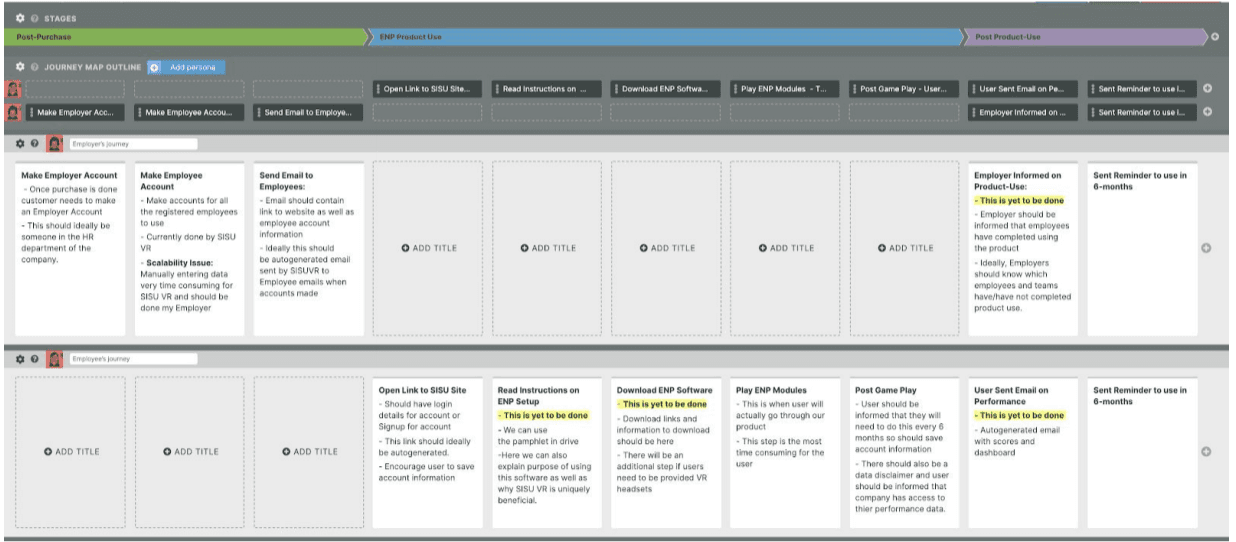
Effective Compliance Training with VR
While other companies use lengthy, monotonous compliance training, SISU VR’s product uses virtual reality to make this a more immersive and educative experience. They deliver compliance and prevention training with the competitive edge of Virtual Reality with immersive, realistic situations.
Jacob Kazami
Product management Graduate
See project
Meet your Instructors and Mentors
Segun Sobodu
Product Manager - Opera Mini
Facilitator
Olatunji Fagbore
Fractional Product Manager - ex-Cineworld Cinemas
Mentor
Jessica Isah
Product Manager, MBA - Unifonic
Mentor
Tolu Adibe
Head of Product Delivery, Qore
Mentor
Abimbola Abiodun
Data Analytics Instructor, Fairmoney
Instructor
Abisola Rachael
Product Management Instructor, Heala Tech
Instructor
Adenike Cole
Digital & Growth Marketer Instructor, AJBell
Instructor
Student Stories
Real career transitions from learners who bet on themselves.
Explore how UstackSchool students turned practical training into confidence, clarity, and new career outcomes.